
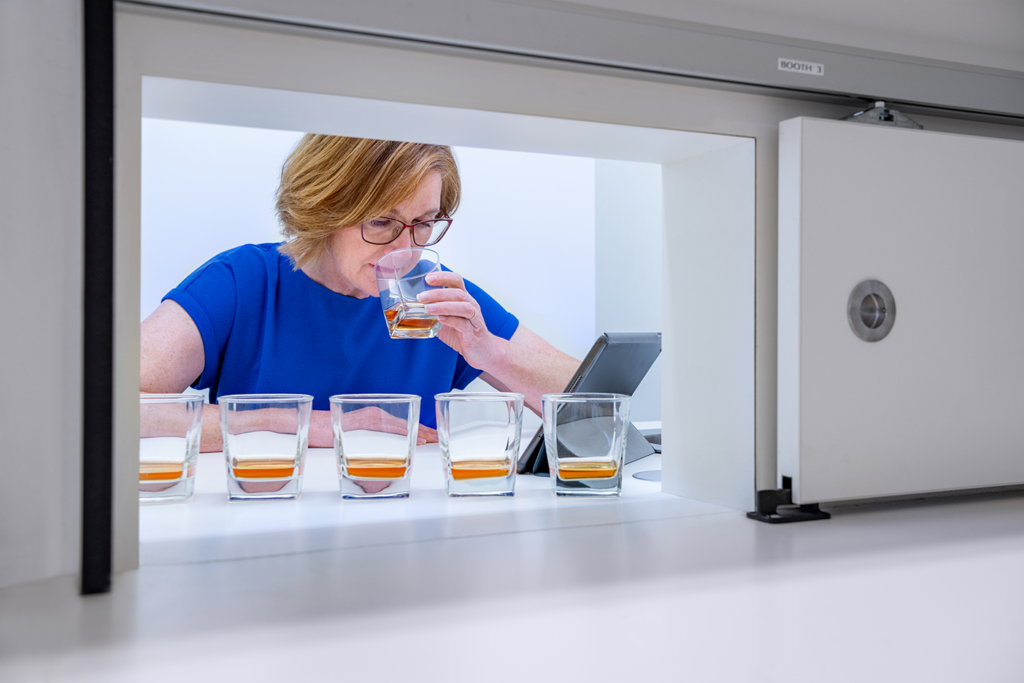
Sensory evaluation is one of the most important tools in the food product development process. It enables food and beverage manufacturers to scientifically measure and analyze how consumers perceive the sensory characteristics of their products, providing valuable insights for product improvement and innovation.
What Is Sensory Evaluation and Why Is It Important?
Sensory evaluation is a critical component of both research and development (R&D) and quality assurance in the food industry. It is much more than simply tasting a product. Instead, it serves as a scientific decision-making tool throughout the product development process, helping manufacturers reduce the risk of unsuccessful product launches.
Many people assume that sensory evaluation focuses only on taste. In reality, it assesses multiple sensory attributes, including aroma, appearance, texture, mouthfeel, and the overall consumer experience. Applying scientific sensory evaluation methods throughout product development helps identify the strengths and weaknesses of a formulation. The resulting data enables R&D teams to make informed decisions regarding ingredient selection, formulation optimization, and product quality improvement. In today’s highly competitive food industry, combining sensory insights with technical and analytical data plays a vital role in increasing consumer acceptance and maximizing product success.
Key Sensory Attributes in Food Products
Sensory evaluation encompasses far more than the taste of a product. It examines a range of sensory characteristics that directly influence consumer acceptance. According to recognized sensory science principles, the following attributes are among the most important:
- Appearance
- Aroma
- Taste
- Texture
- Mouthfeel
By analyzing these attributes, food manufacturers can identify the strengths and weaknesses of their formulations and make better-informed decisions during product development and reformulation.
Key Sensory Attributes Evaluated in Food Products
| Sensory Attribute | Role in Product Evaluation |
| Appearance | Evaluates color, shape, uniformity, and overall visual appeal. |
| Aroma | Assesses volatile compounds and their influence on perceived product quality. |
| Taste | Evaluates the basic taste sensations, including sweetness, saltiness, bitterness, sourness, and umami. |
| Texture & Mouthfeel | Assesses characteristics such as softness, crispness, creaminess, consistency, and overall product structure. |
Sensory Evaluation Methods Used in Industrial Food Manufacturing
The choice of a sensory evaluation method depends primarily on the objective of the study. For example, the goal may be to compare two formulations or to measure consumer acceptance of a finished product.
In industrial food manufacturing, sensory evaluation is conducted using standardized scientific methods to assess product quality, consumer acceptance, and formulation performance. According to international standards such as ISO 6658 and established sensory science practices, sensory evaluation methods are generally classified into three main categories:
- Discrimination Tests
- Descriptive Analysis
- Consumer Acceptance Tests
Discrimination tests are used to determine whether perceptible sensory differences exist between two or more product samples. Descriptive analysis provides a detailed measurement of sensory characteristics such as aroma intensity, flavor profile, and texture. Consumer acceptance tests evaluate consumers’ preferences and overall liking of a product. Selecting the most appropriate method depends on the research objective, the stage of product development, and the type of food product being evaluated.
Common Sensory Evaluation Methods in the Food Industry
| Evaluation Method | Primary Application |
| Discrimination Tests | Identify sensory differences between two or more product samples. |
| Descriptive Analysis | Quantify and describe specific sensory characteristics of a product. |
| Consumer Acceptance Tests | Measure consumer liking, preference, and market acceptance. |
The Role of Sensory Evaluation in Food Product Development
Sensory evaluation supports every stage of food product development. Its primary applications include:
- Initial formulation selection
- Evaluation of prototype samples
- Optimization of product characteristics
- Pre-production validation before commercial manufacturing
Data generated through sensory evaluation is one of the most valuable resources available to R&D teams for optimizing food formulations. It demonstrates how changes in ingredients, ingredient ratios, or processing conditions influence the overall consumer experience. By analyzing sensory data, manufacturers can identify which product attributes—such as flavor intensity, sweetness, aroma, texture, or mouthfeel—require improvement. This information enables formulation teams to select the most appropriate ingredient combinations while minimizing costly trial-and-error experimentation.
Sensory evaluation is also an essential component of product reformulation, allowing manufacturers to compare new formulations with existing products or competitive benchmarks. When combined with laboratory analyses and technical performance data, sensory results help achieve the optimal balance between product quality, manufacturing cost, and consumer acceptance.
How Does Sensory Evaluation Data Support Formulation Optimization?
Sensory evaluation data has a direct impact on product development because it enables manufacturers to:
- Identify sensory attributes that require improvement, including flavor, aroma, texture, mouthfeel, and appearance.
- Compare multiple formulations to determine the most successful version before commercial production.
- Evaluate the sensory impact of ingredient substitutions or formulation adjustments, enabling more informed R&D decisions.
- Reduce the risks associated with product reformulation by ensuring that product quality and consumer acceptance are maintained throughout the development process.
Conclusion
Today, sensory evaluation is no longer viewed solely as a post-production quality control activity. Instead, it has become an integral part of the product development process, from the initial concept through commercial launch. Manufacturers that integrate sensory evaluation data with technical and analytical information are better positioned to develop products with greater consistency, stronger consumer acceptance, and long-term market success.