
The use of natural colors in the food and beverage industry has become increasingly important. Natural colors can help reduce waste, improve food quality, extend product shelf life, diversify product formulations, and enhance the visual appeal of food products. As a result, natural food colors meet a wide range of needs across the food and beverage industry, contributing to growing demand for these ingredients.
It is important to note that the use of natural food colors has long been a subject of debate among food scientists and researchers. This is partly due to conflicting findings from studies investigating these compounds. Although food colors remain important ingredients in many food and beverage products, their use is subject to strict regulatory requirements.
Hundreds of color additives are currently used in food products, while many substances that were previously permitted have since been banned.
What Are Natural Food Colors?

Natural food colors are obtained from a wide range of natural sources, including plants, vegetables, fruits, and minerals. Their selection and use must take into account the regulatory requirements of the U.S. Food and Drug Administration (FDA), European Union legislation, and the regulations of other countries. For example, chlorophyll is permitted for certain uses in Europe, whereas its use as a color additive is not permitted in the United States.
Natural colors are added to food and beverage products to give them color.
They are available in various forms, including liquids, powders, gels, and pastes. Natural food colors are used in both industrial food manufacturing and home cooking.
What Are Natural Food Colorants?
Natural food colorants are substances used to impart color to food products, beverages, and even certain pharmaceutical products.
These colorants are derived from natural sources such as plants, animals, and minerals. They are often used as alternatives to synthetic colors because they are generally perceived as healthier and safer. However, this perception is not always accurate, as some natural alternatives have undergone less extensive testing and regulatory scrutiny.
Nevertheless, natural food colors are increasingly used in markets where consumers place a high priority on the perceived natural origin of food ingredients and overall product quality.
Why Are Natural Food Colors Used in the Food and Beverage Industry?
Color additives are used in food products for several reasons, including:
- Compensating for color loss caused by exposure to light, air, high temperatures, moisture, and storage conditions.
- Correcting natural variations in color.
- Enhancing colors that are already naturally present in a product.
- Adding color to otherwise colorless foods and improving their visual appeal.
What Are the Sources of Natural Food Colors?
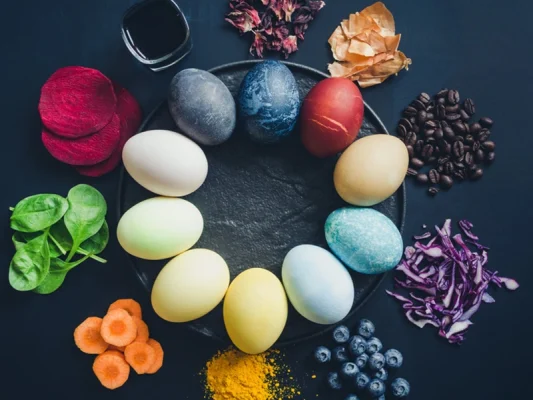
Natural food colors are derived from fruits, vegetables, plants, and minerals. Examples of natural color sources and pigments include:
- Flowers
- Peppers
- Red beets
- Grapes
- Red cabbage
- Spinach
- Caramel
- Betalains
- Saffron
- Anthocyanins
- Carotenoids
Other materials and emerging sources can also be used to develop natural food colorants.
Auronidins
Auronidins are a relatively new family of pigments that may offer opportunities to develop more stable and intense plant-based colorants for the food and beverage industry. These water-soluble pigments exhibit yellow or orange colors in acidic environments.
Food Plant Waste
The circular economy is continuously expanding and creating new business opportunities. One example is the recovery of high-value compounds, such as pigments, from food plant waste. These compounds can then be used as food additives, including coloring agents.
Agricultural By-Products
Agricultural by-products and their concentrates can also be effectively incorporated into food products. For example, phenolic compounds found in eggplant may be used as multifunctional food additives with antimicrobial, antioxidant, and coloring properties.
What Are the Most Common Natural Food Colors?
Several natural colorants are widely used in food manufacturing. Some of the best-known examples include:
- Annatto: Obtained from the seeds of the achiote tree, annatto is used to produce yellow and orange shades in food products.
- Turmeric: Extracted from the root of the turmeric plant, this ingredient provides a yellow color.
- Beet Juice: Extracted from red beets, it produces red or pink shades.
- Red Cabbage: Derived from red cabbage leaves, this color source can provide blue or purple hues.
- Spinach: Obtained from spinach leaves, it is used to create natural green shades.
- Caramel: Produced by heating sugar, caramel is used to impart brown colors to food products.
- Paprika: Made by grinding paprika pepper pods, it is used to produce red shades.
- Saffron: Obtained from the stigmas of saffron flowers, it imparts a yellow color to food.
- Chlorophyll: Extracted from green plant pigments, chlorophyll is used to create natural green colors.
- Anthocyanins: Naturally found in various fruits and vegetables, including blueberries, blackberries, and red cabbage, anthocyanins are used to produce red, blue, and purple shades in food products.
Which Industries Use Natural Food Colors?
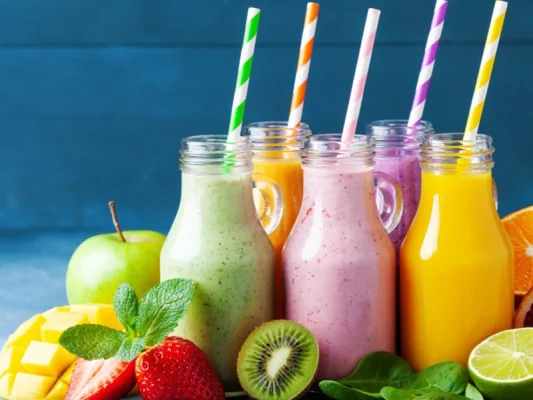
Natural food colorants have a wide range of applications across different food systems. Their use extends to numerous product categories, including the following.
Bakery Products
Natural colorants are used in various bakery products, including cakes, bread, and cookies. For example, turmeric can provide a yellow color in certain cakes and breads, while beet juice can be used to create red shades in cookies.
Beverages
Natural food colors are used in a variety of beverages, including fruit juices, sports drinks, and carbonated drinks. For instance, beet juice can provide red shades in some fruit juices, while spirulina extract can be used to produce blue colors in certain sports drinks.
Confectionery Products
Natural colorants are used in confectionery products such as candies, chocolates, and gummies. For example, carmine, a natural red colorant derived from insects, is used to produce red shades in some candies and chocolate products.
Milk, Dairy, and Dairy Alternatives
Natural colorants are used in a variety of dairy products, including yogurt, ice cream, and cheese. For example, annatto extract gives certain cheeses a yellow color, while beet juice can provide a pink shade in some ice cream products.
Meat and Processed Meat Products
Natural colorants are used in processed meat products such as sausages, ham, and bacon. For example, paprika can contribute a red color to certain sausages, while beet juice can create pink shades in some ham products.
Other Food Products
Natural food colors are also used in products such as soups, sauces, and salad dressings. Turmeric, for example, can provide yellow shades in certain soups and sauces, while beet juice can contribute red colors to some salad dressings.
Are Natural Food Colors Permitted in Food and Beverages?
Discussions and debates surrounding food colors are not new, but they have attracted increasing attention in recent years. Although some petroleum-derived food colors are currently permitted by the U.S. Food and Drug Administration (FDA), regulations in many countries, including Iran, restrict or prohibit the use of certain food colorants, including some natural colorants.
Even in a large market such as the United States, regulations governing the use of food colors can vary depending on the applicable jurisdiction and intended use.
Since 1906, the FDA has prohibited the use of poisonous or harmful colors in confectionery products, as well as the coloring or discoloration of food to conceal spoilage or poor quality. Since then, these regulations have been revised repeatedly, and certain colors have been added to or removed from the list of permitted color additives based on safety assessments.
The FDA publishes information on color additives that the food industry is permitted to use. However, regulatory approval does not depend solely on the source of a natural colorant. The permitted conditions of use and the amount of a coloring substance that may be added to a food product are also important considerations.
The FDA evaluates the safety of food additives, including color additives, and establishes conditions and limits for their use. By applying appropriate safety margins, the agency aims to ensure that exposure to these substances does not exceed levels considered acceptable under the applicable safety assessments.
Can a New Natural Food Color Be Added to the FDA’s Approved List?
If you are a chemist or work in a company’s research and development department and have developed a new natural food color, you may submit an application to the FDA seeking authorization for its use.
Any interested party may petition the FDA for approval of a new color additive or for an amendment to the listing of an existing color additive to permit a new use.
Applicants seeking approval for a new color additive must provide information covering several areas, including:
- Identity of the proposed color additive
- Physical, chemical, and biological properties
- Chemical specifications
- Description of the manufacturing process
- Stability data
- Intended uses and restrictions
- Labeling information
- Permitted use levels and limitations
- Analytical methods for establishing and controlling chemical specifications
- Analytical methods for determining the amount of the additive in food products
- Identification and determination of any substances formed in or on a product as a result of using the color additive
- Safety studies
- Estimated potential exposure
- Proposed regulations
- A request for exemption from batch certification, where applicable
- Environmental assessment or a claim for categorical exclusion, where applicable
Applicants must provide data demonstrating the safety and suitability of the proposed color additive or its intended new use.
The FDA then evaluates the submitted application, public comments, and other relevant information available in its records. If the application meets the applicable regulatory requirements and the color additive receives authorization, it may be added to the list of permitted color additives for the approved uses.
Looking for a Natural Food Color Supplier for Your Food or Beverage Products?
Saziba has extensive experience in supplying and producing natural colors for a wide range of applications and is ready to support your product development needs.
At Saziba, we can produce natural food colors tailored to your product requirements or source them from leading natural food color manufacturers around the world.
Contact our sales specialists to explore a range of high-quality natural food colors and find suitable solutions for your food and beverage formulations.