In the culinary arts and food sciences, a rub is a carefully balanced combination of ground spices, aromatic herbs, and functional ingredients that is rubbed directly onto the surface of raw food, especially red meat, poultry, and seafood, before cooking.
Unlike liquid marinades, rubs are designed to create a crust or bark that provides an immediate hit of flavor and textural contrast. By culinary science standards, rubs fall into two main categories:
Dry rubs: which are made solely of dried ingredients
Wet or paste rubs: which have a small amount of moisture, such as oil, mustard, or vinegar, added to aid adhesion and heat transfer.
What is the role of lye in industrial marinade production?
From a production perspective, especially for the marinade manufacturer, lye acts as the primary flavor driver. These compounds are engineered to interact with the protein surface through osmotic pressure. While liquid marinades focus on penetrating deep into the meat fibers, lye specializes in surface chemistry.
In industrial applications, rubs are often referred to as dry marinades because they have a longer shelf-life and much lower microbial risk than liquid alternatives.
By using high-quality, single-flavor powders and encapsulated spices in these rubs, manufacturers ensure that the final product offers a consistent and intense flavor profile across a variety of cooking methods, from long-term smoking to high-heat grilling.
How to Season Meat with Rubs?
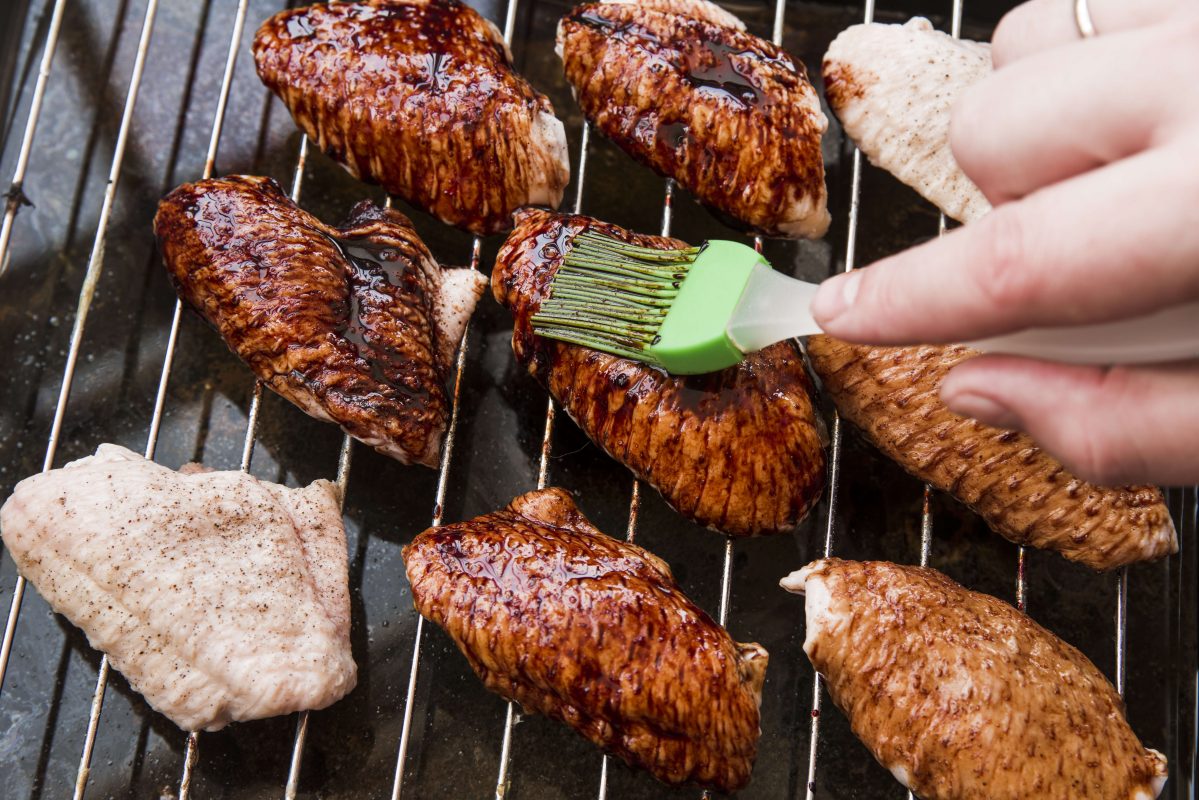
Seasoning meat with rubs is not just sprinkling a few spices on the surface of the meat, but a targeted method to create a deeper flavor, stronger aroma, and a more attractive surface in the final product. In this method, a mixture of spices, salt, sugar, and sometimes aromatics is rubbed onto the surface of the meat to both help the flavors adhere better and create a well-formed and attractive layer of flavor during cooking.
For best results, the surface of the meat should be as dry as possible so that the rub can adhere better and thermal reactions such as Maillard can take place during cooking. In practical applications, a thin layer of a binder such as oil, mustard or light sauces is usually applied to the meat first, and then the rub is spread evenly over the entire surface. The meat must then rest for a while to allow the salt and flavorings to take effect. This time can vary from a few minutes to a few hours depending on the type of meat, the thickness of the piece and the desired flavor intensity. In industry, the same principle is applied more carefully so that the final product has a uniform, stable and repeatable flavor.
What are the types of rubs?
Rubs can generally be divided into several main types:
- Dry Rub: This is the most common type of rub and is made only from dry ingredients such as salt, pepper, garlic powder, onion powder, paprika, sugar and other spices. Dry rubs are great for creating a flavorful outer layer and helping to form a “crust” or “crust” on the surface of meat. This type is most often used for grilling, barbecuing, smoking and dry heat cooking.
- Wet Rub / Paste Rub: In this type, a small amount of liquid such as oil, mustard, vinegar, lemon juice, soy sauce or even yogurt is added to the dry spice mixture to form a paste. Wet rubs stick better to the surface of the meat and are suitable for slow, long cooking. This type is often used in dishes such as ribs, pulled pork and grilled chicken.
- Salt and sugar-based rubs with different styles. In terms of formulation, many rubs fall into one of these styles: Sweet: with brown sugar, powdered honey, or caramel ingredients – Spicy: with chili peppers, cayenne, chipotle – Smoked: with smoked paprika or smoky flavorings – Herbal and aromatic: with rosemary, thyme, oregano, garlic, and onion – Salty and umami: with salt, pepper, soy, dried mushrooms, or meat extracts.
- Regional or Style-Based Rubs In the industry and professional cooking, rubs are sometimes categorized by regional style; for example:
- Texas style: Salt and pepper-based
- Memphis style: Balanced, with paprika and sugar
- Kansas City style: Sweeter and thicker
- Carolina style: Leaning toward mustard or vinegar
- Barbecue chicken style: Usually milder and more aromatic
Analysis of Iranian Market Taste in Choosing Rub (Persian)
Unlike the US market, which tends towards very sweet (brown sugar-based) rubs, Iranian consumers are more interested in “saffron-lemon”, “onion-garlic” and “mildly spicy and peppery” flavor profiles. In the Iranian marinade industry, rubs that have strong olfactory notes of aromatic herbs such as tarragon and savory and warm spices such as turmeric and nutmeg are more popular. Also, due to the barbecue culture, rubs that can create a natural smoky flavor while balancing the fat of the meat with Omani lime powder or sumac have a special place in the shopping cart.
Strategy for Marinade Producer in Iran
For a marinade producer in Iran, the most successful rubs are those that enhance “umami” through natural ingredients such as tomato powder or burnt onion powder and combine it with traditional flavors. Red rubs based on paprika and black pepper are the best-selling rubs in the Iranian retail and restaurant market due to the attractive color they give to grilled meat.