Heat is one of the most important factors affecting the performance of both liquid and powder flavors. While heat can damage certain flavor compounds, it is also essential for the formation and development of many desirable flavor characteristics in food products.
This dual role makes understanding the behavior of flavors under thermal conditions an important part of food product development.
Understanding how heat affects flavor compounds helps R&D specialists design formulations and processes that ultimately deliver products with the desired flavor profile—products whose flavor remains stable and predictable not only during formulation, but also after cooking and industrial processing.
Why Is It So Important to Understand the Effects of Heat on Flavors?
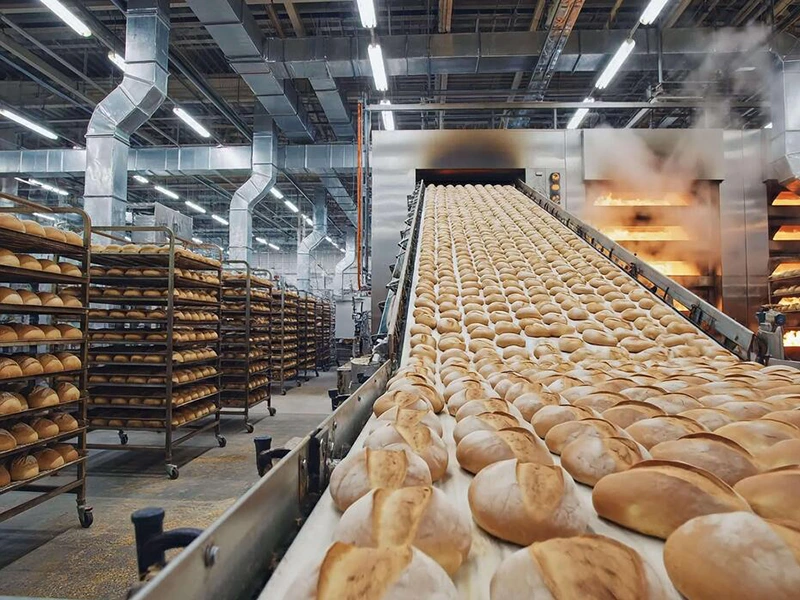
At first glance, it may seem that consumers also expose food to heat during everyday cooking, meaning that thermal processing is nothing new. However, industrial processing differs significantly from food preparation at home. Many cooking methods used in households are impractical or uneconomical at industrial scale, and alternative processing methods do not always produce the same flavor compounds and sensory characteristics.
For example, when producing a food product such as chicken pie, chicken may be steamed rather than boiled in an industrial environment. Although both methods are intended to cook the raw material, differences in:
- Thermal conditions
- Moisture levels
- Processing time
- Heat transfer
can affect the formation, release, and stability of flavor compounds.
Differences in processing conditions can cause the same flavor precursors to undergo different reactions, ultimately producing different flavor profiles.
In addition, compensating for these differences during flavor development and maintaining the product’s sensory characteristics throughout its shelf life often requires the use of flavoring ingredients that are not typically used in home cooking. However, many of these compounds may be sensitive to heat. Even flavors such as vanilla can experience changes in intensity, quality, or flavor balance when exposed to heat.
At home, a sauce is typically prepared and served immediately. In foodservice operations, however, the same sauce may be exposed to multiple thermal conditions during final preparation, storage, freeze-thaw cycles, and different heating stages. Therefore, a flavor system must not only deliver the desired taste but also maintain its performance under these thermal stresses.
Flavor Stability Under Different Heating Methods
Understanding the interaction between heat and flavor compounds is also important when developing products that are expected to deliver the sensory characteristics consumers associate with alternative preparation methods, such as microwave heating.
During microwave heating, moisture moves toward the surface of the product and evaporates.
This phenomenon can inhibit browning reactions because moisture evaporation keeps the surface temperature relatively low for a period of time. At the same time, surface evaporation may cause some flavor compounds to escape with the water vapor, resulting in the loss of certain components of the flavor system.
Another important factor is that the rapid heating rate of a microwave does not necessarily provide sufficient time for many of the chemical reactions responsible for flavor formation and development. As a result, a product prepared using a microwave may differ in taste and aroma from the same product prepared using traditional or gradual heating methods.
One of the key challenges in flavor system design is creating a flavor that performs acceptably across different preparation methods. Under such conditions, the flavor system must maintain the desired flavor profile and an acceptable level of sensory acceptance after exposure to different heating methods.
Is Heat Always a Destructive Factor?
Heat-induced chemical reactions are not necessarily undesirable, and they should not all be prevented or controlled. Some of these reactions are essential for creating the flavors and aromas expected in many food products.
One of the most important reactions responsible for many cooked, roasted, and brown flavor characteristics is the Maillard reaction. This non-enzymatic reaction between reducing sugars and nitrogen-containing compounds plays an important role in developing complex flavors in many heat-processed foods.
The chicken pie example once again illustrates the potential differences between home preparation and industrial processing. In a household kitchen, chicken is typically cooked before being combined with sauce and used in the final pie preparation. In a restaurant kitchen or industrial production facility, however, individually quick frozen (IQF) chicken may be used. Differences in the raw material condition and preparation stages can mean that some flavor-forming reactions that occur during home preparation do not take place in the same way during industrial processing.
Identifying and Compensating for Flavor Gaps in Industrial Processing
To determine which flavor-development reactions may not occur during industrial processing, a product developer needs a detailed understanding of the other ingredients and reactants present in the system.
The best starting point is to develop a target product using the most appropriate traditional cooking method.
This traditional sample can then be evaluated as a sensory reference standard using descriptive sensory evaluation methods. The results can subsequently be compared with those obtained from the first attempts to produce the product using industrial equipment and processes.
read The Role of Sensory Evaluation in Food Product Development and Reformulation in saziba blog.
Comparing these two sets of results helps identify lost flavors, aromas, or sensory characteristics. Appropriate flavor compounds can then be selected or combined to compensate for these gaps and bring the final product closer to the desired sensory profile.
What Does Heat Do to Flavors?
Volatilization
One of the most important effects of heat on flavors is the volatilization of volatile flavor compounds. In an open processing system, certain volatile flavor compounds can rapidly escape from the product when exposed to heat. This occurs because many flavor compounds have lower boiling points than other components in the food system and can more readily enter the vapor phase under thermal conditions.
However, not all flavor compounds respond to heat in the same way. Therefore, volatilization and co-distillation can not only reduce overall flavor intensity but also disrupt the balance among different components of a flavor system. The extent of this change depends on processing conditions and on the sensitivity of individual flavor compounds to rapid loss from the system.
Degradation
Degradation differs from volatilization and can occur in both open and closed processing systems. One of the factors influencing this process is pH, which varies depending on the product and flavor system.
For example, in a product such as tomato sauce, the acidic environment and low pH can affect the final flavor profile as well as the type and rate of potential degradation reactions.
Moisture content is another factor that can influence the pathways and rates of flavor degradation.
Increased Rates of Chemical Reactions Between Flavors and Other Product Components
Heat can also increase the rate of chemical reactions between flavor compounds and other components of the food matrix.
Food products developed for industrial processing often contain higher levels of proteins and starches than many home-prepared foods. Under thermal conditions, these components can interact with flavor compounds and consequently affect the intensity, quality, or aroma and flavor characteristics of the final product.
Many flavor compounds may become less available within the food matrix. The extent of this phenomenon depends on the chemical nature of the flavor compound and the characteristics of the protein- or starch-based matrix.
Low-fat products may be particularly susceptible to these interactions because their formulations may contain starch- or protein-based fat replacers.
Even when flavor compounds do not directly undergo chemical reactions with other ingredients, the presence of these materials can affect the stability of the flavor system and destabilize a system that would otherwise have good thermal stability.
Protecting Flavors from Heat
Many undesirable effects of heat on flavor can be minimized by reducing the duration or intensity of thermal exposure—for example, by adding the flavor during the later stages of processing.
Although this approach can be effective in many applications, some products and processes require more specialized solutions.
The first step in protecting a flavor from heat is to identify and analyze the thermal and processing stresses the product will experience throughout production.
Will the product be cold-filled or hot-filled? Will it subsequently undergo freeze-thaw cycles?
The answers to these questions can play a decisive role in selecting the right strategy for maintaining flavor performance.
Methods for Controlling the Effects of Heat on Flavors
Flavor Balancing
In this approach, the flavor formulation is adjusted so that it continues to deliver the desired flavor profile after thermal processing.
This can be achieved in several ways. For example, the flavor system can be designed with more heat-resistant compounds to improve thermal stability.
In addition, higher-molecular-weight homologs of certain flavor compounds generally have higher boiling points and are less susceptible to volatilization under thermal conditions. In many cases, they can also provide a similar flavor effect.
Compensating for Greater Volatilization of Certain Flavor Notes by Increasing Initial Concentration
Simply put, if one flavor component is lost to a greater extent than others during processing, a higher initial concentration of that component can be incorporated into the formulation.
This increase may cause the product to appear somewhat more intense at the beginning of the process. However, after processing is complete, the resulting flavor profile can reach the desired level.
Flavor Masking
What happens when heat and chemical interactions generate off-flavors?
When it is not possible to remove or replace the raw material responsible for the undesirable flavor, one possible solution is the use of flavor masking techniques.
A detailed understanding of the sensory characteristics of the off-flavor helps the flavor specialist select the most appropriate masking strategy.
The timing of an undesirable note within the sensory profile is particularly important. For example, if an off-note appears toward the end of the sensory experience, adding a compound such as acetic acid—which becomes dominant from the beginning of the tasting experience—may not be an effective masking strategy.
Under such conditions, notes such as garlic, spices, or cream may provide better results because they can influence the sensory profile at a more appropriate point and help mask the undesirable note.
Selecting the Right Carrier System
Selecting an appropriate carrier system for flavor compounds can also help reduce volatilization and improve stability.
For example, changing the carrier from alcohol to a lipid-based carrier can reduce the evaporation of certain compounds. Even changing from alcohol to propylene glycol may alter the volatility characteristics of flavor compounds sufficiently to correct a slight imbalance in the flavor profile.
However, as discussed earlier, heat is not always the enemy of flavor.
Some chemical reactions triggered by heat are essential for developing desirable flavors in many food products. For example, baked products without the brown and roasted notes generated through the Maillard reaction may have a simple, flat flavor profile lacking the expected complexity.
Flavor Encapsulation
Encapsulation is one of the effective approaches for protecting flavor compounds from unfavorable processing conditions.
In this approach, flavor components are enclosed within a carrier material or protective coating to delay their release into the food matrix.
This approach not only protects flavor compounds by slowing evaporation but can also increase flavor system stability by separating them from materials that may cause unwanted interactions or chemical degradation.
Water-Soluble Encapsulating Systems
Water-soluble encapsulating systems release their encapsulated flavor compounds when exposed to moisture.
In aqueous food systems, water-soluble encapsulation can slow the release of flavor but generally cannot prevent it completely. In dry systems, flavor compounds remain encapsulated until the product is reconstituted with water or comes into contact with saliva.
Fat-Soluble Encapsulates
Fat-soluble encapsulates operate through a different mechanism. They release their flavor payload when the temperature of the system exceeds the melting point of the fat used for encapsulation.
Another group of systems uses insoluble, heat-resistant encapsulating materials such as corn zein or shellac. These materials can retain flavor compounds within their structure until mechanical shear is applied, helping prevent premature release.
How Is the Right Encapsulation System Selected?
Selecting the appropriate encapsulation system depends on what the flavor compounds need to be protected from and what processing steps the encapsulated flavor will undergo before releasing its payload.
For example, consider a product that is initially produced in a batch kettle and subsequently undergoes thermal processing or pasteurization. Although this is an aqueous system exposed to heat, using a fat- or carbohydrate-based encapsulation system can delay the release of flavor compounds and protect them during the early stages of processing.
Canned soup provides a useful example of this approach.
After the initial soup preparation in an open kettle, a fat-based encapsulated flavor system can be added immediately before canning using gentle mixing.
During the subsequent thermal processing associated with packaging and canning, the increase in temperature causes the encapsulating material to melt and release the flavor compounds.
At this stage, however, the product is inside a sealed package, significantly limiting the escape of volatile compounds from the system.
Nevertheless, volatilization is not the only potential challenge.
Even in a closed system, the heat applied during processing and packaging can cause certain flavor compounds to transform or react, producing compounds with different and potentially undesirable sensory characteristics.
Therefore, the selection of an encapsulation system should address not only the timing of flavor release but also the protection of flavor compounds against heat-induced chemical reactions.
Don’t Run from Heat—Use It
When foods undergo thermal processing, many desirable flavors are formed through the same process.
Carbonyl compounds and amines react through different Maillard pathways during cooking, generating a wide range of flavor- and aroma-active compounds.
However, because industrial processing conditions often differ from household cooking methods, these reactions may proceed differently during industrial production. As a result, the expected flavor may not fully develop.
Three approaches can be used in this context:
|
Approach |
English Term | Reaction Status | How It Is Used in the Product | Level of Control |
|
Flavor Precursors |
Flavor Precursors | The reaction is not yet complete | Precursors are added to the product and the reaction continues during processing | Lower; greater dependence on processing conditions |
|
Semi-Reacted Compounds |
Semi-Reacted Precursors | The reaction has progressed to a defined stage | Semi-reacted compounds are incorporated into the formulation, and part of the flavor development continues during processing |
Medium |
| Fully Reacted Flavors |
Fully Reacted Flavors |
The reaction has been completed to the desired level before addition to the product |
The reacted flavor is added to the product like a conventional flavor |
Higher; greater consistency and repeatability |
At first glance, using flavor precursors may seem like an ideal approach for creating fresh-cooked and natural flavor characteristics in a product.
However, this approach places greater demands on the product development process and can reduce the likelihood of achieving a stable and repeatable result.
For precursors to develop into the desired flavor profile during processing, the reaction conditions must be carefully controlled. Even small changes in processing conditions can affect the extent of the reaction and, consequently, the final flavor characteristics.
Using a reacted flavor that has already undergone part of the reaction can provide a more reliable approach to creating processing-derived flavor notes.
However, the use of precursors and semi-reacted compounds still requires careful process control. To ensure that the reaction proceeds correctly during product preparation and generates the desired flavor characteristics, factors such as temperature, time, and processing conditions must be maintained within defined ranges.
For this reason, achieving consistent results when adding precursors or reaction intermediates during processing can be challenging.
The final approach is to carry the desired reactions forward during flavor production until the target flavor compounds are developed.
In this case, the reaction flavor is developed to the desired level before it enters the food product and is then added to the formulation in much the same way as a conventional flavor.
The key advantage of this approach is greater control and consistency, because the critical part of the reaction has already taken place before the flavor enters the main product process. As a result, the food manufacturer has greater control over the final flavor profile.
Conclusion
Ultimately, managing heat during food processing is not simply about protecting flavors from thermal exposure.
Heat can cause the volatilization and degradation of flavor compounds, but it also plays an important role in creating desirable flavors.
Successful flavor system design therefore requires a detailed understanding of how flavor compounds behave under heat, as well as the processing conditions, food matrix, and appropriate timing of flavor release.
The goal is not to eliminate heat, but to use it in a controlled way to create, preserve, and enhance the desired flavor profile in the final product.
Does Your Flavor Remain Stable During Industrial Processing?
Heat can change the intensity, balance, stability, and sensory performance of a flavor.
Selecting the right flavor, carrier system, and release mechanism plays an important role in maintaining the desired flavor profile throughout processes such as cooking, pasteurization, filling, freezing, and thawing.
At SaZiBa, flavor solutions are selected and developed based on the product matrix, processing conditions, and desired sensory profile, helping ensure stable and predictable flavor performance even under complex industrial processing conditions.
If your production process involves flavor loss or thermal stability challenges, talk to the SAZIBA team to explore the right flavor solution for your product.